


The period from late December to early January, known as “Nenmatsu-Nenshi” (year-end and New Year), is one of the most significant times in Japan. It’s a special occasion for families and friends to gather and wish for happiness in the coming year. Across Japan, unique cultures nurtured by rich nature and history thrive, promising an unforgettable experience for international visitors.
Here’s how you can enjoy a traditional Japanese New Year.
Table of Contents
1. Year-End Traditions: How to Spend Omisoka (New Year’s Eve)
2. The Dawn of a New Year: Hatsu Hinode (First Sunrise) and Hatsumode (First Shrine Visit)
3. Unique Japanese New Year Customs and Decorations
4. Savoring Traditional Osechi Ryori (New Year’s Cuisine)
5. What to Know When Traveling During New Year’s
1. Year-End Traditions: How to Spend Omisoka (New Year’s Eve)
December 31st, Omisoka (New Year’s Eve), is a day to conclude the old year and prepare for the new one.
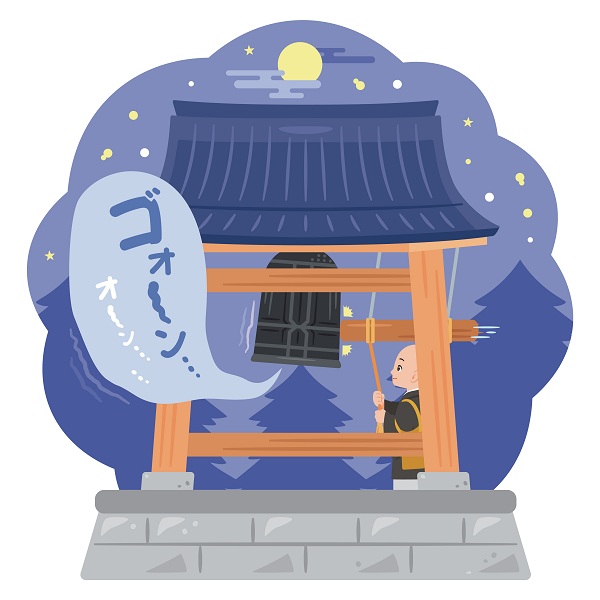
“Joya no Kane”: The Bell Tolls on a Tranquil Night
On the night of Omisoka, temples ring the “Joya no Kane” (Bell of New Year’s Eve) 108 times. This tradition is meant to cleanse the 108 earthly desires (bonno) that are believed to cause human suffering, allowing people to welcome the New Year with a pure heart. The sound of the bells resonates through many temples, creating a solemn and mystical atmosphere. Some temples even allow the public to ring the bell, so it’s worth checking in advance.
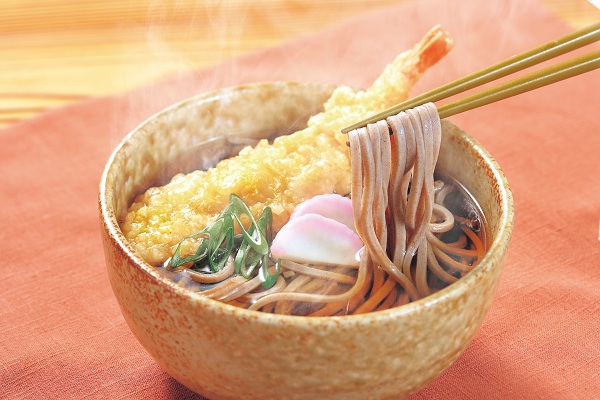
Traditional “Toshikoshi Soba” (Year-Crossing Noodles)
On the night of Omisoka, it’s customary to eat “Toshikoshi Soba.” The long, thin noodles symbolize a wish for a long and healthy life, while the ease with which soba noodles can be cut represents cutting off the misfortunes of the past year. Enjoying a warm bowl of soba while quietly reflecting on the past year and looking forward to the new one is a heartwarming experience unique to Japan.
2. The Dawn of a New Year: Hatsu Hinode (First Sunrise) and Hatsumode (First Shrine Visit)
The beginning of a new year is filled with special emotion and anticipation.
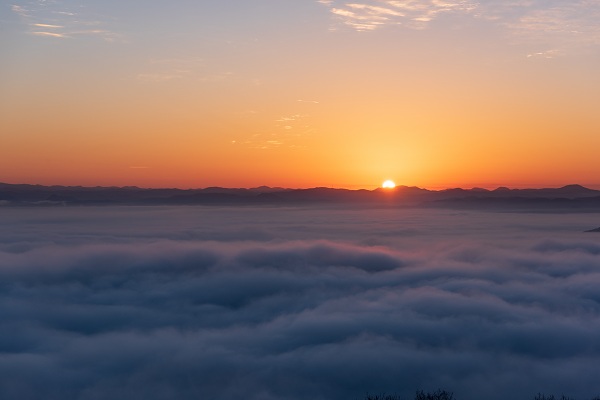
“Hatsu Hinode”: Welcoming the First Sunrise of the Year
Greeting “Hatsu Hinode” (the first sunrise of the year) on New Year’s Day is considered auspicious and has been a cherished custom in Japan for centuries. In the crisp, clear air, the sight of the sun rising over the horizon or mountains fills people with hope and vitality for the new year. Many gather at coastlines, mountain peaks, and observation decks to witness this moment.
– Recommended Hatsu Hinode Spots in the Chugoku-Shikoku Region
- Katsurahama Beach (Kochi Prefecture): A scenic spot overlooking the Pacific Ocean, the contrast of the rising sun with the statue of Sakamoto Ryoma is breathtaking.
- Washuzan Highland (Okayama Prefecture): Enjoy a beautiful first sunrise against the backdrop of the numerous islands of the Seto Inland Sea and the Seto Ohashi Bridge.
- Mt. Ishizuchi (Ehime Prefecture): The first sunrise from the highest peak in Western Japan is exceptional, but winter mountaineering requires thorough preparation and experience. Beautiful views can also be enjoyed from observation decks at the base of the mountain.
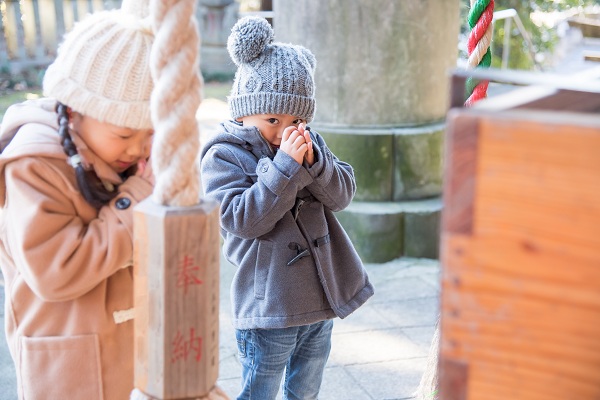
“Hatsumode”: Making Your First Shrine or Temple Visit of the New Year
“Hatsumode” is an important Japanese custom of visiting a shrine or temple at the beginning of the New Year to pray for health and happiness. From New Year’s Day for a few days, many people visit, and the temple/shrine grounds are bustling with activity.
– Recommended Hatsumode Spots in the Chugoku-Shikoku Region
- Itsukushima Shrine (Hiroshima Prefecture): A World Heritage site famous for its floating torii gate. Welcoming the New Year in such a mystical atmosphere will surely be an unforgettable memory.
- Izumo Taisha Grand Shrine (Shimane Prefecture): Known as the “god of matchmaking,” it attracts many worshippers from all over the country. The magnificent main hall and the powerful shimenawa (sacred straw rope) are impressive.
- Kotohira-gu Shrine (Kagawa Prefecture): Affectionately known as “Konpira-san,” after climbing a long stone staircase, you’ll be rewarded with a spectacular view of the Sanuki Plain. Recommended for those who want to greet the New Year with a sense of accomplishment.
- Dogo Onsen (Ehime Prefecture): Around Dogo Onsen, known as Japan’s oldest hot spring, there are also historic shrines and temples. You can experience Japanese tradition along with the hot springs.
– Tips for Visiting Shrines
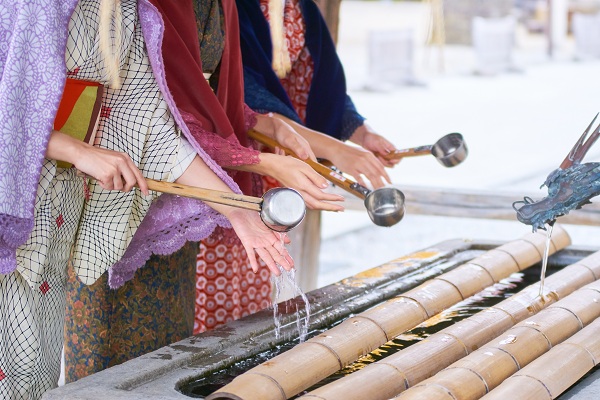
At shrines, “Nirei Nihakushu Ichirei” (bow twice, clap twice, bow once) is the general etiquette. It’s also fun to draw an omikuji (fortune slip) or write your wishes on an ema (votive tablet).
3. Unique Japanese New Year Customs and Decorations
During the New Year period, you’ll see various unique Japanese customs and decorations throughout the towns.
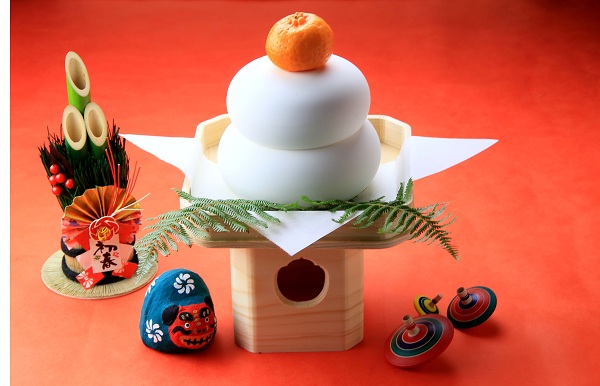
- Kadomatsu (Pine Decorations): Placed at the entrance of homes as a landmark for the Toshigami (New Year’s deity).
- Kagamimochi (Stacked Rice Cakes): Offered to the deities, symbolizing harmony and abundance.
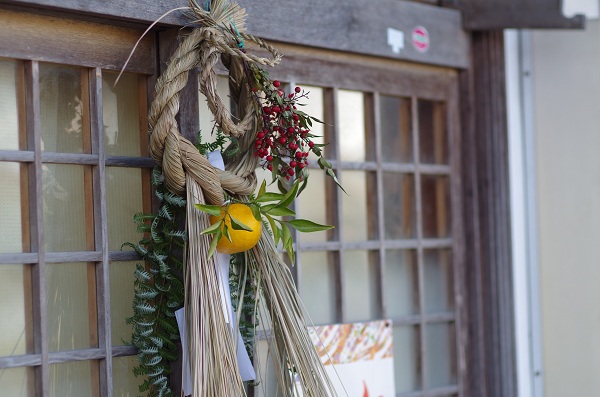
- Shimenawa (Sacred Straw Rope): Hung at entrances or on household altars to ward off evil spirits.
These decorations offer a fascinating glimpse into Japanese culture and beliefs. When you visit Japan during the New Year, be sure to look out for them!
4. Savoring Traditional Osechi Ryori (New Year’s Cuisine)
New Year’s is also an occasion to enjoy special dishes.
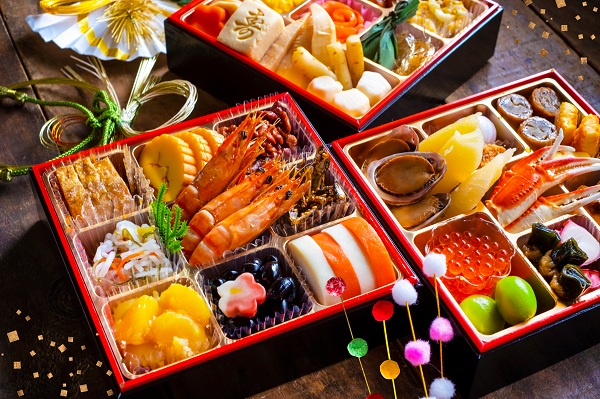
- Osechi Ryori: Colorful and lavish dishes eaten during the New Year. Each ingredient carries an auspicious meaning, such as “prosperity of descendants” or “longevity.” Some ryokan (traditional inns) and hotels may offer Osechi Ryori.
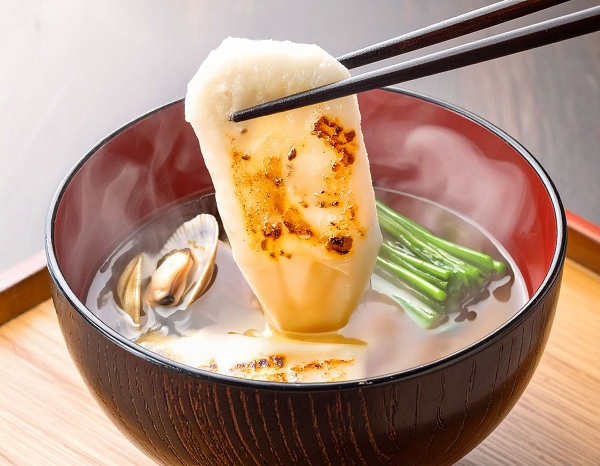
- Ozoni (New Year’s Soup with Mochi): A soup containing mochi (rice cakes), eaten on New Year’s Day. The seasoning and ingredients vary greatly by region, and you can enjoy various distinctive Ozoni in the Chugoku-Shikoku region.
5. What to Know When Traveling During New Year’s
When traveling in Japan during the New Year, there are a few points to keep in mind.
- Crowded Transportation: Shinkansen (bullet trains), flights, and expressways can be extremely crowded due to people returning home for the holidays. Early booking is essential, especially from around December 29th to January 3rd.
- Store Closures: Many shops and restaurants are closed from around January 1st to 3rd. Especially in rural areas, many independently owned businesses will be closed, so it’s best to check their operating hours in advance.
- Public Transportation Schedule: Local buses and some trains may operate on a holiday schedule (reduced services). Please check the latest operating information when planning your travel.
- Accommodation Bookings: Popular ryokan and hotels get booked up quickly. Early planning and reservations are highly recommended.
- Cold Weather Preparation: Hatsu Hinode and Hatsumode often take place early in the morning or outdoors, so be sure to wear warm clothing such as thick coats, gloves, and hats.
An Unforgettable Japanese Experience in the Chugoku-Shikoku Region!
Spending the New Year in the Chugoku-Shikoku region offers a valuable opportunity to deeply experience Japan’s rich traditions and culture. We invite you to create unforgettable memories surrounded by the beautiful scenery and warm hospitality of the Chugoku-Shikoku region during this special time. Prepare well and enjoy the best of Japan!
