
Hello to all visitors to Japan!
Today, we’d like to introduce you to a special food deeply rooted in Japanese culinary culture: “Mochi.” With its unique chewy texture and diverse ways of eating, it is truly Japan’s soul food. Especially during the New Year, mochi is an indispensable part of celebrations, offering a wonderful opportunity to experience Japanese tradition and culture.
– Table of Contents –
1. What is Mochi? And its Deep Connection to the New Year
2. Surprisingly Diverse Ways to Enjoy Mochi! Especially for New Year
3. Where Can You Taste Mochi?
1. What is Mochi? And its Deep Connection to the New Year
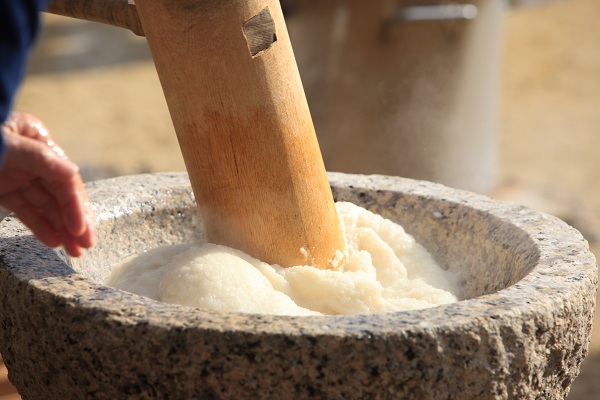
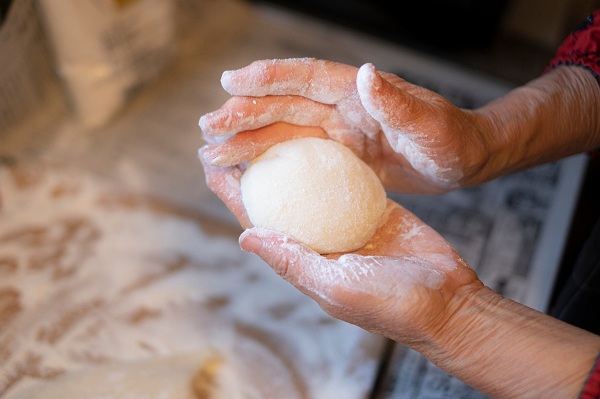
Mochi is made by steaming glutinous rice, then pounding it with a mallet in a mortar until it becomes sticky and firm. Its history is ancient, believed to have been consumed as early as the Yayoi Period. For centuries, mochi has been intimately involved in Japanese life, serving as an offering to deities and an essential part of festivals and celebrations.
Among these traditions, the custom of eating mochi during the New Year is particularly significant for Japanese people. Mochi has long been believed to be a dwelling place for deities. During the New Year, the Toshigami-sama (New Year’s deity) is welcomed, and mochi is offered as a tribute. By consuming this offered mochi, people believe they receive vitality and strength for the new year from the Toshigami-sama, wishing for longevity and good health.
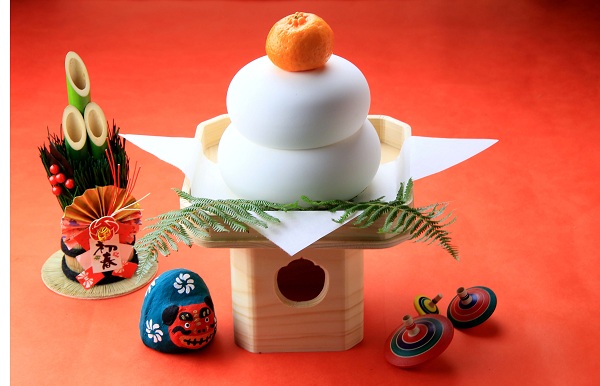
Furthermore, “Kagami Mochi,” displayed as a New Year’s decoration, is also considered a place where deities reside. Its shape, consisting of two stacked mochi (one large, one small), is said to symbolize the moon and sun, or harmony, embodying wishes for happiness throughout the year. After the New Year, this Kagami Mochi is broken in a ritual called “Kagami Biraki” and enjoyed by families, often in dishes like oshiruko (sweet red bean soup). This act is a precious ritual to share the power of the deities and pray for a year of health and happiness.
2. Surprisingly Diverse Ways to Enjoy Mochi! Especially for New Year
The charm of mochi lies in its diverse culinary applications. It can be enjoyed with various seasonings, both sweet and savory, but during the New Year, traditional preparations are especially popular.
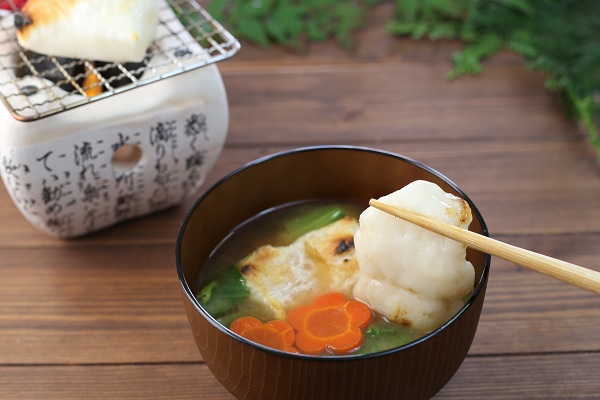
Ozoni (New Year’s Soup with Mochi)
Ozoni is the quintessential New Year’s dish in Japan. While its ingredients and seasonings vary surprisingly by region, the common element is the inclusion of mochi. In Eastern Japan, square mochi is often served in a clear broth, while in Western Japan, round mochi is typically enjoyed in a miso-based soup. Some regions even have sweet ozoni! Each family and region has its unique flavor, making it a warm and special New Year’s bowl.
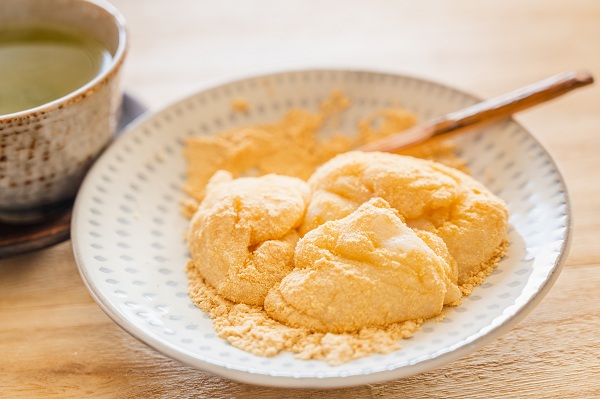
Kinako Mochi (Mochi with Roasted Soybean Flour)
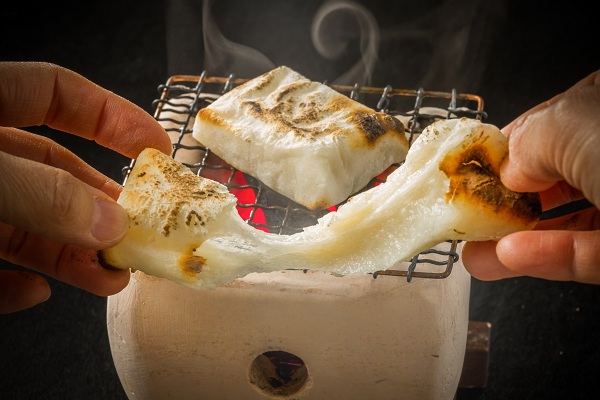
Grilled mochi coated with fragrant kinako (roasted soybean flour) and sugar. Its sweet and nutty flavor is very popular.
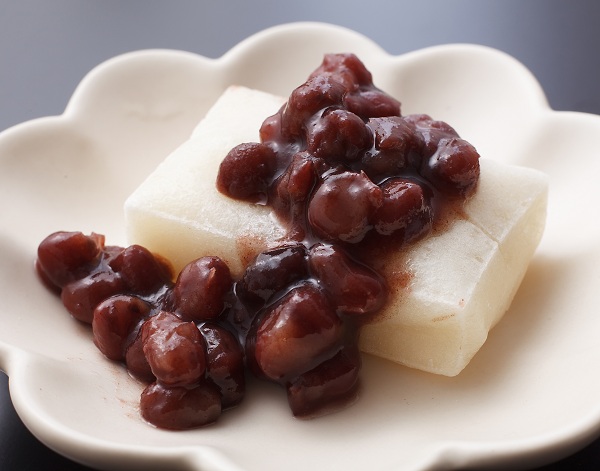
Anko Mochi (Mochi with Sweet Red Bean Paste)
Mochi either coated with or filled with sweet red bean paste. Daifuku is also a type of anko mochi.
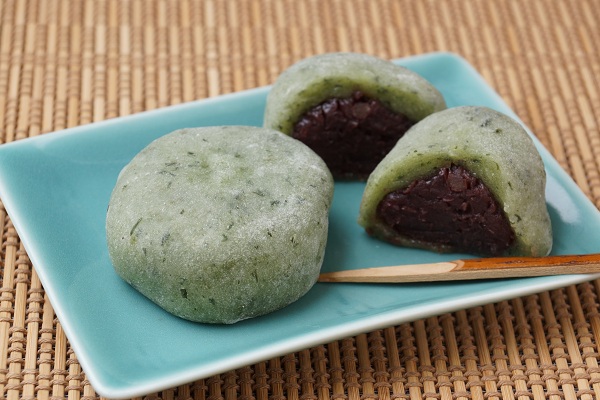
Zenzai / Oshiruko (Sweet Red Bean Soup with Mochi)
A warm dessert featuring mochi in a sweet red bean soup. It warms both body and soul on cold days.
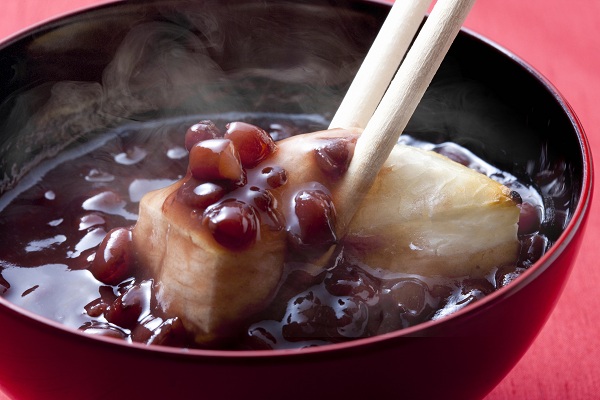
Isobe-yaki (Grilled Mochi Wrapped in Seaweed)
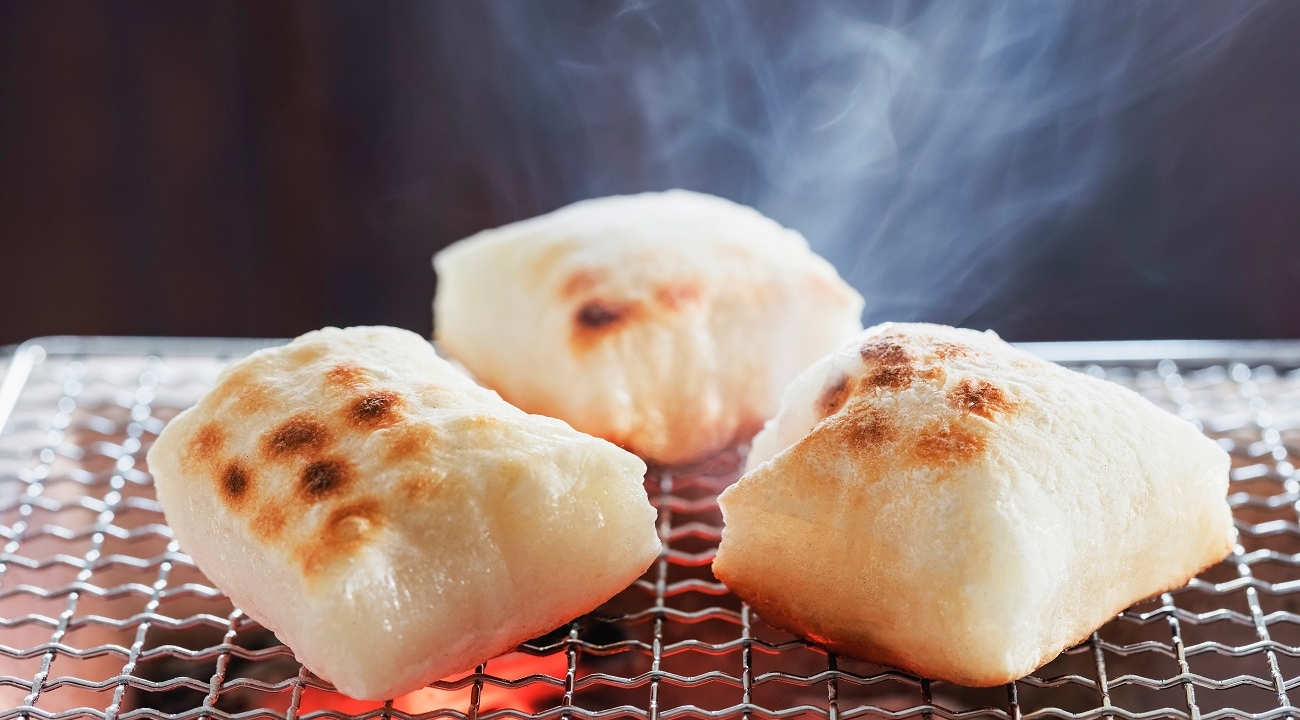
Grilled mochi dipped in soy sauce and wrapped in nori seaweed. It’s easy to prepare and allows you to enjoy the authentic taste of mochi.

3. Where Can You Taste Mochi?
Mochi can be easily purchased at supermarkets, and you can also find it at traditional Japanese confectionery shops (wagashi-ya) and some restaurants. Especially during the New Year period (end of December to early January), various mochi dishes are enjoyed in homes and establishments across Japan. If you have the opportunity to visit Japan during this time, be sure to try traditional ozoni or explore various mochi sweets at wagashi-ya.
Its chewy texture and diverse Japanese flavors are sure to create unforgettable memories. Through mochi, experience the rich culinary culture and traditions of Japan.