

Table of Contents
1. Basic Information about Kure
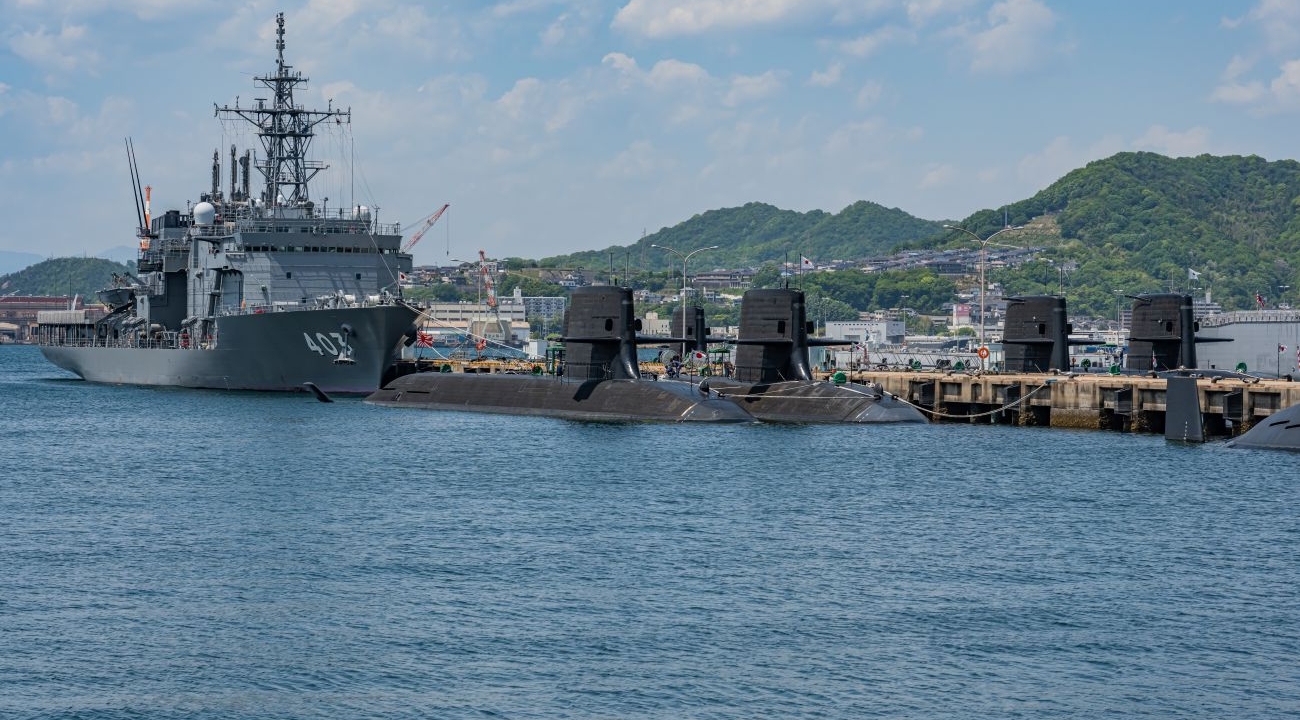
2. Kure: A Former Naval Port City
3. Kure’s Highlights
4. Kure’s Local Cuisine
5. Conclusion
1. Basic Information about Kure
Location: Southern Hiroshima Prefecture
Access:
– Approximately 30 minutes by rapid train or 1 hour by local train from JR Hiroshima Station.
– Approximately 1 hour 30 minutes by bus from Hiroshima Airport.
Local Specialties: Kure Kaiji Curry, Hoso Udon (thin udon noodles), Kure Reimen (cold noodles), etc.
Major Tourist Attractions: Tetsunokujira-kan (JMSDF Kure Museum), Irifuneyama Memorial Museum, Yamato Museum (Kure Maritime Museum)
*Closed for renovation until March 2026.
2. Kure: A Former Naval Port City
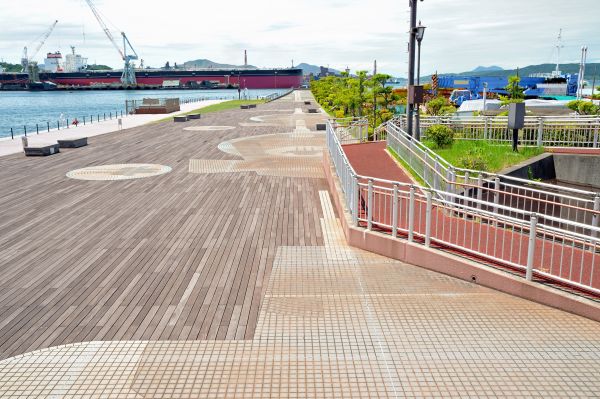
We’ll introduce the charm of Kure, which is easily accessible from Hiroshima City (about 30 minutes to 1 hour by train or car), making it ideal for a day trip.
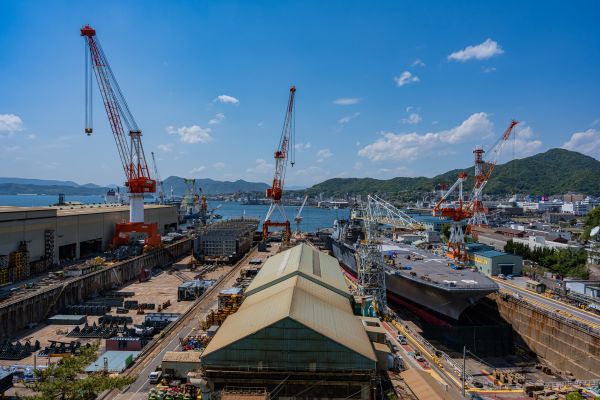
During the Meiji era (1868-1912), as Japan pursued modernization and strengthened its naval power, Kure was chosen as a natural good harbor in the Seto Inland Sea. In 1889, a naval district (Chinjufu) was established, and Kure rapidly developed as a crucial naval base. It was a place where the pinnacle of shipbuilding technology, which built the world’s largest battleship “Yamato,” gathered, and it also had the face of a major industrial city that supported Japan’s modernization. Its history still breathes throughout the city, and from the imposing scenery of the shipyards and the red-brick buildings that retain the atmosphere of the time, one can glimpse the prosperity and high technological capabilities of yesteryear.
After the dissolution of the navy at the end of the war, Kure aimed to transform into a peaceful industrial port city. By actively repurposing former military assets, it reconstructed itself as a new coastal industrial zone. Furthermore, with the establishment of the JMSDF Kure District Headquarters, it was positioned as an important defense base. Kure is also an attractive city where the mild climate of the Seto Inland Sea coexists with beautiful nature surrounded by sea and mountains. After post-war reconstruction, the city’s history as a former naval port and its culture as a port town where citizens’ lives breathe have merged. Walking through the retro shopping streets, you can experience the warm hospitality of the locals. While feeling the weight of history, Kure has a somewhat nostalgic and friendly atmosphere, which is a major part of its charm.
3. Kure’s Highlights
Tetsunokujira-kan (JMSDF Kure Museum)
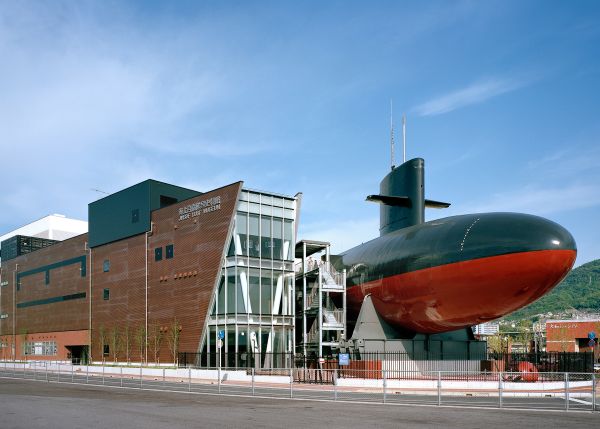
Located right next to the Yamato Museum, the Tetsunokujira-kan is a facility that introduces the activities of the Japan Maritime Self-Defense Force in an easy-to-understand manner. The biggest highlight is the actual giant submarine “Akishio” displayed on land. You can also tour the inside of the submarine, experiencing the daily life of crew members living in confined spaces and learning about the submarine’s mechanisms.
Irifuneyama Memorial Museum
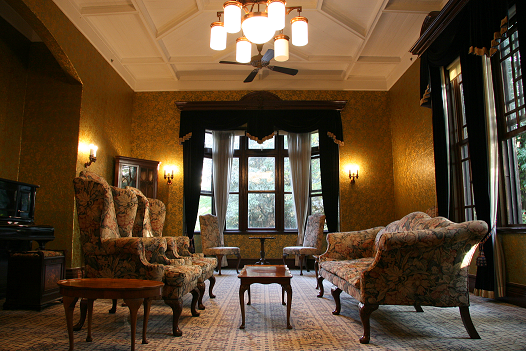
The Irifuneyama Memorial Museum preserves historical buildings, centered around the former residence of the Commander-in-Chief of the Kure Naval District. The residence, which combines Meiji-era Western and Japanese architectural styles, is designated as a National Important Cultural Property, offering a glimpse into the lives of high-ranking officials at the time. The Kinkarakami (embossed leather paper) wallpaper is a must-see. It’s a valuable place for a deeper understanding of Kure’s modern history.
Kure Bay Cruise
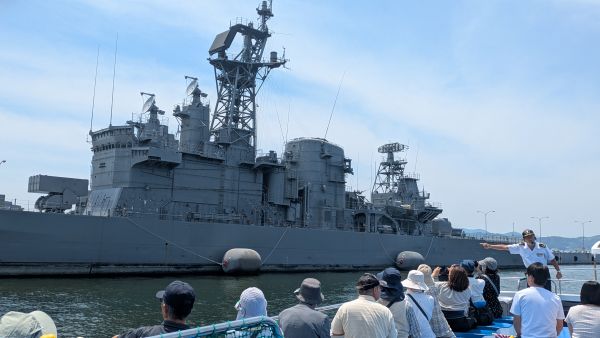
To experience Kure’s charm from the sea, the “Kure Bay Cruise” is highly recommended. On this approximately 30-minute cruise, you can see JMSDF destroyers and submarines, as well as the massive docks of shipyards, up close. If you’re lucky, crew members on board the docked ships might wave to you.
Yamato Museum (Kure Maritime Museum)
A must-visit when in Kure is the “Yamato Museum,” where you can learn about Japan’s science, technology, and history. Upon entering the museum, the first thing that catches your eye is the giant battleship Yamato, recreated at a 1/10 scale. Its intricate craftsmanship vividly conveys the high level of Japan’s shipbuilding technology at the time. *Closed for renovation until March 2026. Reopening is scheduled for April 2026.
4. Kure’s Local Cuisine
Kure Kaiji Curry
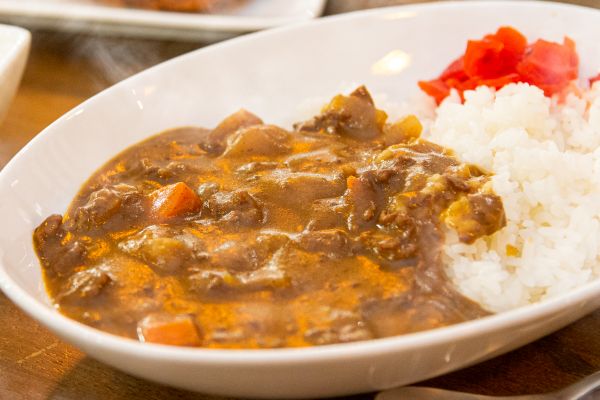
When it comes to local cuisine unique to Kure, a city with a Japan Maritime Self-Defense Force base, “Kure Kaiji Curry” is a must-try. Each JMSDF ship has its own unique curry recipe, which local restaurants faithfully reproduce and serve. You can enjoy a variety of distinct curries at different establishments, and trying them all is highly recommended.
Hoso Udon (Thin Udon Noodles)
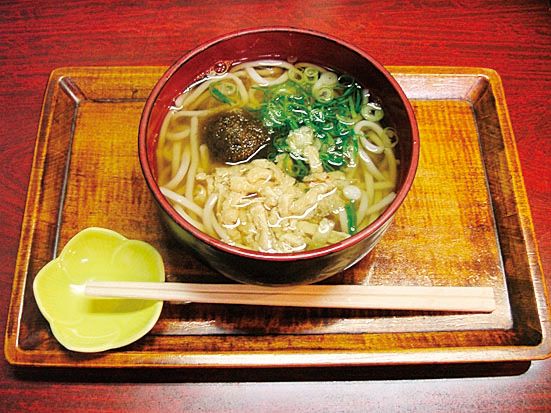
“Hoso Udon” has been loved by the locals in Kure for a long time. It features thinner noodles than regular udon, which absorb the gentle dashi-based broth well. It’s easy to swallow and perfect as a late-night meal after drinks. Its simple yet heartwarming taste is deeply ingrained in the daily lives of Kure’s people.
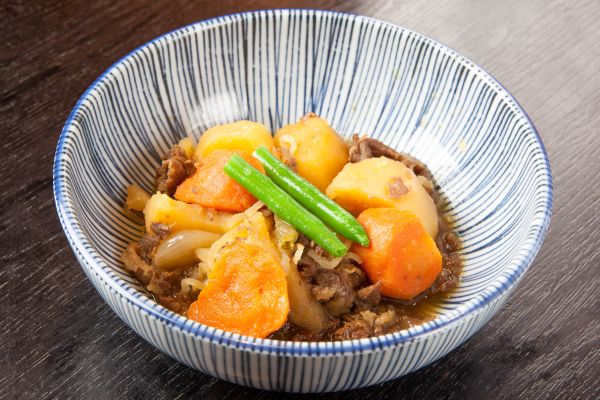
Nikujaga (Meat and Potato Stew)
It might be surprising, but Nikujaga is said to have originated in the navy. It’s believed to have started as an attempt to adapt the British Navy’s beef stew into a Japanese style, and it’s cherished in Kure as a dish with naval ties. Its homely yet profound flavor evokes a sense of nostalgia.
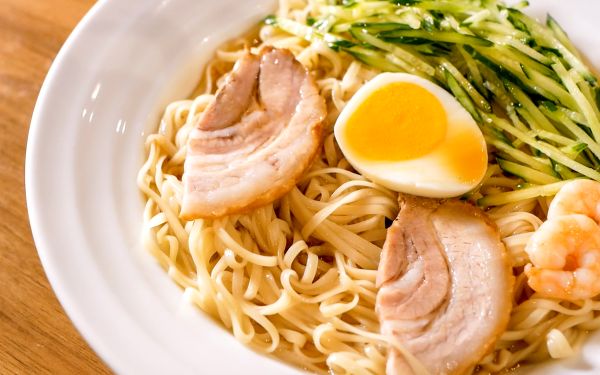
Kure Reimen (Cold Noodles)
“Kure Reimen,” perfect for the hot season, is another one of Kure’s representative B-grade gourmet dishes. It features unique flat noodles and a sweet-and-sour, slightly spicy soup. Toppings like char siu, cucumber, and boiled egg are arranged colorfully, stimulating the appetite. It’s an addictive taste you won’t forget once you try it.
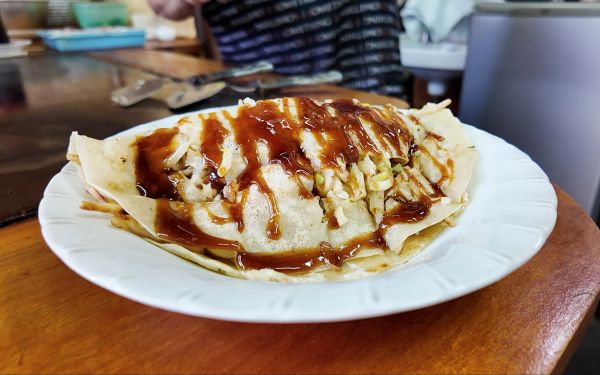
Kureyaki (Kure-style Okonomiyaki)
While Hiroshima is famous for okonomiyaki, Kure has its own unique “Kureyaki.” Unlike typical Hiroshima-style okonomiyaki, it’s characterized by a thinly spread batter topped with ingredients, then folded in half and served. It contains cabbage, pork, egg, and soba (or udon) noodles, finished with sauce and mayonnaise. It’s loved by locals as an easy-to-eat B-grade gourmet.
5. Conclusion
Kure, with its retro townscape where the weight of history and the lives of its citizens breathe, combined with the beautiful nature of the Seto Inland Sea, offers visitors a sense of nostalgia and familiarity. From historical exploration to gourmet delights, why not visit Kure and enjoy its diverse charms?
