

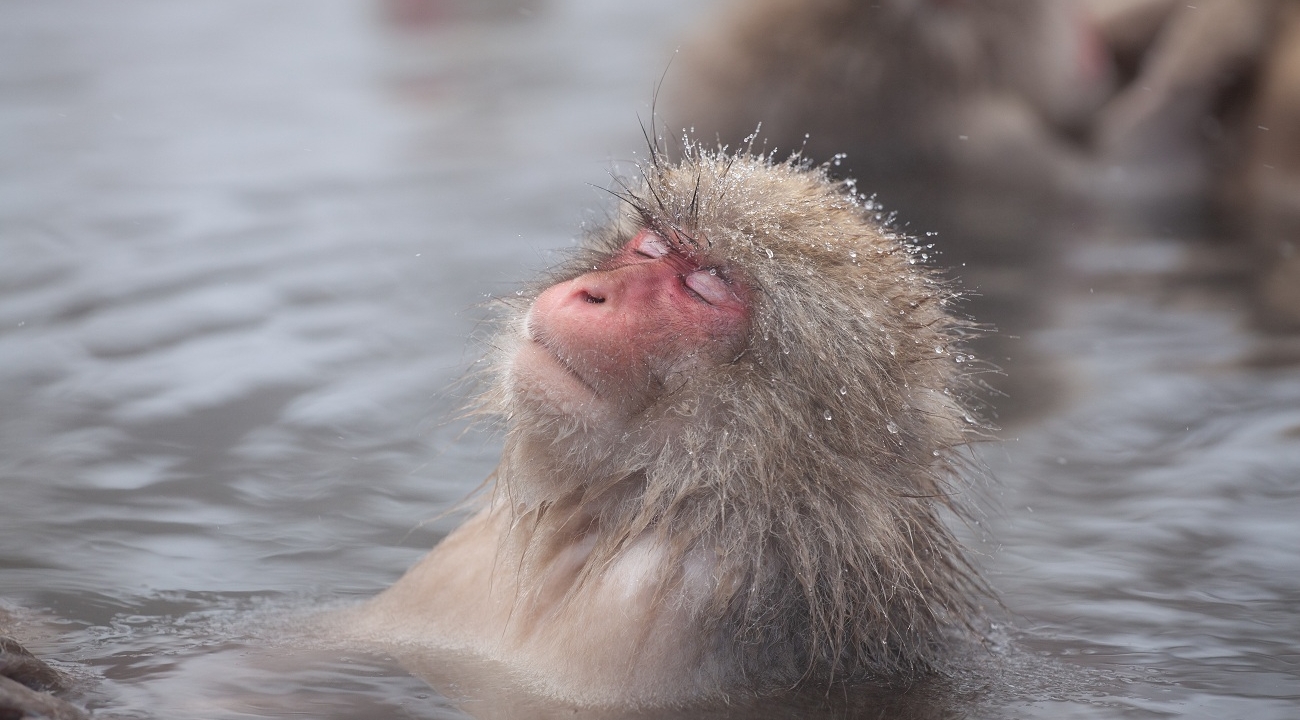
The Chugoku-Shikoku region is blessed with rich nature, history, and warm-hearted people. To help you deepen your understanding of Japanese culture and enjoy a comfortable and memorable trip, we’d like to introduce some essential manners. Japanese etiquette stems from a spirit of “consideration” for others and “respect.” Knowing these customs will facilitate smoother interactions with locals and make your travel experience many times more wonderful.
– Table of Contents –
1. How to Enjoy “Onsen” (Hot Springs) to Cleanse Body and Soul: Etiquette for Relaxation
2. Conduct in Sacred Places: “Jisha” (Temples & Shrines) Visiting Manners: A Heart of Respect
3. Etiquette for “Public Transportation” for Comfortable Travel: The Spirit of Mutual Consideration
4. For Warm Interactions with Locals: Small Gestures Enrich Your Trip
5. Conclusion: Know the Manners, Have an Unforgettable Journey
1. How to Enjoy “Onsen” (Hot Springs) to Cleanse Body and Soul: Etiquette for Relaxation
The Chugoku-Shikoku region boasts many wonderful hot spring resorts, including Dogo Onsen. Learn the basic etiquette for experiencing Japanese onsen culture and relax to your heart’s content.
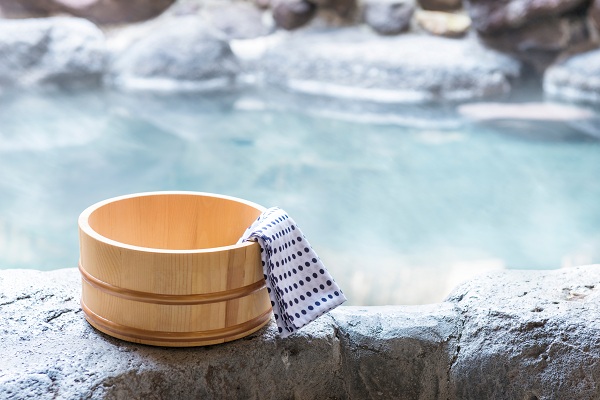
– Always wash your body before entering the bath (Kakeyu)
It is a Japanese custom to thoroughly wash your entire body with a shower or a washbowl before entering the hot spring bath. This is an important manner to keep the bathwater clean for everyone.
– Do not put towels in the bath, and keep hair out of the water
The hot spring bath is a shared space for everyone. Please be careful not to put towels in the bath or let long hair dip into the water. It is recommended to tie up your hair or use a shower cap.
– If you have tattoos
Some Japanese onsen facilities may restrict entry for individuals with tattoos. However, an increasing number of facilities now allow entry if tattoos are covered with tattoo cover-up stickers, or offer private baths (kashikiri-buro). Please check the facility’s website or inquire directly in advance.
– Keep the changing room clean and quiet
In the changing room, please use the space quietly, without scattering clothes or luggage, to avoid disturbing other users.
– Avoid bathing after drinking alcohol and be mindful of your physical condition
Bathing after consuming alcohol is dangerous. Also, avoid bathing if you are feeling unwell or immediately after a meal.
2. Conduct in Sacred Places: “Jisha” (Temples & Shrines) Visiting Manners: A Heart of Respect
The Chugoku-Shikoku region is home to many historic temples and shrines, such as the World Heritage site Itsukushima Shrine and the temples of the Shikoku 88-temple Pilgrimage. It is important to act with respect in these sacred places.
– How to purify yourself at the Chōzuya (water purification pavilion)
Before visiting, purify your hands and mouth at the Chōzuya.
1. Take the ladle (hishaku) with your right hand, scoop water, and purify your left hand.
2. Switch the ladle to your left hand and purify your right hand.
3. Switch the ladle back to your right hand, cup water in your left palm, and rinse your mouth with that water. Do not put the ladle directly to your mouth.
4. Finally, rinse the handle of the ladle with the remaining water and return it to its original place.
– Offering money (Osaisen) and worship etiquette
Shrines: Quietly place your offering (osaisen), and if there is a bell, ring it. After that, “Nirei Nihakushu Ichirei” (bow twice deeply, clap hands twice, then bow once deeply) is common.
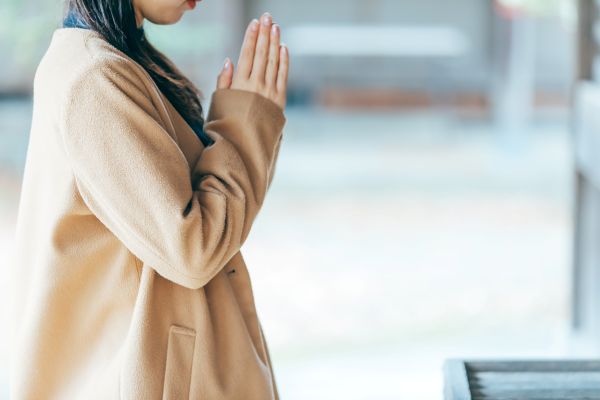
Temples: Place your offering (osaisen), press your palms together (gassho), and pray quietly. Do not clap your hands.
Note: Etiquette may vary depending on the sect or specific temple/shrine.
– Photography rules
Photography is generally allowed within the temple/shrine grounds, but there may be areas where photography is prohibited, such as the main hall or statues of Buddha. Also, please refrain from using flash. If you are unsure, please ask for confirmation.
– Be quiet
Temples and shrines are sacred places. Please avoid loud conversations and eating/drinking, and spend your time quietly. Sitting down to rest in the main hall or leaving trash behind are also considered bad manners.
3. Etiquette for “Public Transportation” for Comfortable Travel: The Spirit of Mutual Consideration
When using public transportation such as trains and buses, there are manners that align with Japanese culture.
– Quietness inside the vehicle
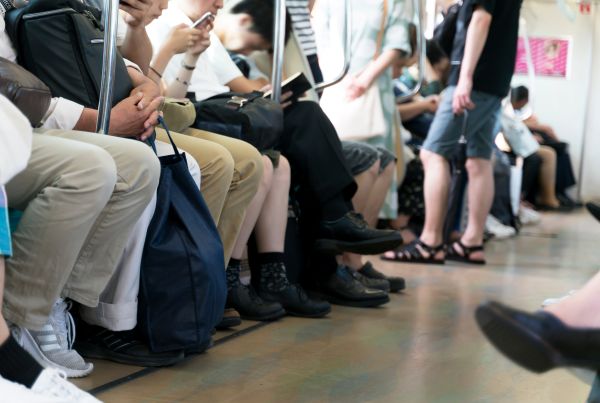
In Japan, it is common to spend time quietly inside trains and buses. Please refrain from talking on mobile phones, and keep conversations in a low voice.
– Priority seats
Priority seats are for the elderly, pregnant women, people with disabilities, and those traveling with small children. If you see someone who qualifies nearby, please offer them your seat.
– Restrictions on eating and drinking
When eating or drinking on trains, please avoid items with strong odors or anything that might disturb other passengers. On buses, it is generally considered good manners to refrain from eating and drinking.
– How to place luggage
If you have large luggage, please be considerate so as not to block aisles or inconvenience other passengers. It is generally common to avoid placing luggage on seats and instead use overhead racks or the space at your feet.
– Queueing
When boarding a bus, passing through train ticket gates, or buying tickets, please line up properly and wait for your turn.
4. For Warm Interactions with Locals: Small Gestures Enrich Your Trip
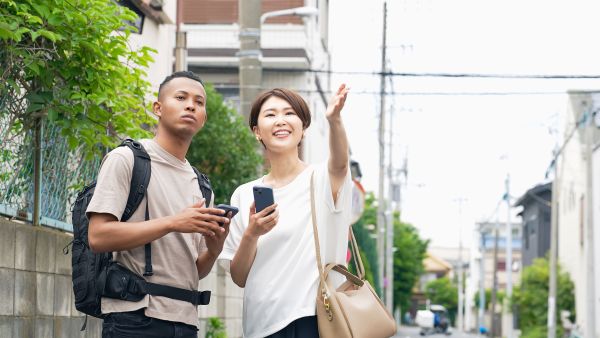
The people of the Chugoku-Shikoku region are warm and welcoming to travelers. A little consideration can lead to wonderful interactions with locals.
– Importance of greetings
Simple Japanese greetings like “Konnichiwa” (hello) or “Arigato” (thank you) are greatly appreciated when entering a shop or making eye contact with a local on the street.
– Taking your trash with you
In Japan, there are often few public trash cans. Please take your trash with you or dispose of it in designated bins. Absolutely do not litter.
– Consideration for photography
When taking photos of locals or children, it is good manners to ask for permission first.
– No trespassing on private property
Even if you are tempted by beautiful scenery, please do not enter private property or restricted areas.
5. Conclusion: Know the Manners, Have an Unforgettable Journey
How was that?
These manners are meant to respect Japanese culture and people’s way of life, ensuring everyone can have a pleasant experience.
A trip to the Chugoku-Shikoku region will be a valuable opportunity not just to visit tourist spots, but also to experience local culture and people’s daily lives. By keeping the manners we’ve introduced in mind, we hope your journey will be smoother and lead to wonderful, unforgettable experiences.
Now, armed with this knowledge of manners, go forth and fully “Discover” the charms of the Chugoku-Shikoku region!
