

– Table of Contents –
1. What is Shikoku Konpira Kabuki Grand Theater?
2. History of Former Konpira Grand Theater (Kanamaru-za)
3. Four Charms of Konpira Kabuki
4. Nearby Tourist Attractions
1. What is Shikoku Konpira Kabuki Grand Theater?
Shikoku Konpira Kabuki Grand Theater is a special kabuki performance held every spring at the “Former Konpira Grand Theater (Kanemaru-za),” a playhouse that has continued since the Edo period. In this historic wooden theater, you can experience the actors’ breathing and powerful performances up close, feeling the hanamichi (flower path) and revolving stage. Together with the temple town of Kotohira-gu, you can experience Japan’s traditional culture with all five senses.
[Access]
– 5 minutes by taxi or 20 minutes on foot from JR Kotohira Station
– 40 minutes by car from Takamatsu Airport
– From Shin-Osaka Station: Take the Shinkansen to Okayama Station, then take the limited express train (Nanpu) to Kotohira Station.
[Dates] This information is for 2026, but it is held annually around this time.
April 10, 2026 – April 26, 2026
[Showtimes] As of April 2026
Part 1: Approximately 11:00 AM – 2:00 PM (2 acts with intermission)
Part 2: Approximately 3:00 PM – 5:30 PM (2 acts with intermission)
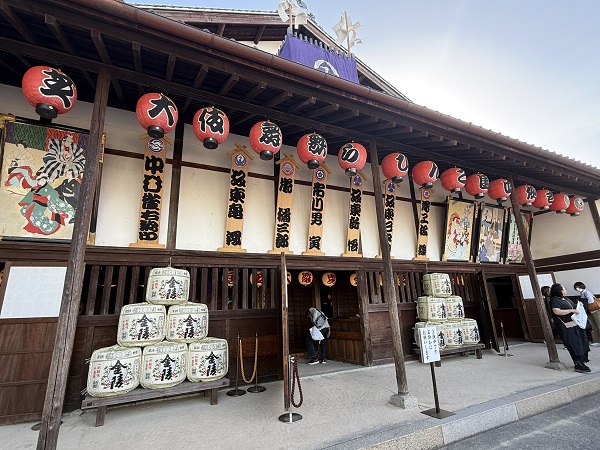
Even when Shikoku Konpira Kabuki Grand Theater is not being held, you can still tour the interior of the Former Konpira Grand Theater (Kanemaru-za).
2. History of Former Konpira Grand Theater (Kanamaru-za)
The Former Konpira Grand Theater (Kanemaru-za), built in 1835, is the oldest existing playhouse in Japan. Kotohira-gu has long been affectionately known as “Konpira-san,” and as a mecca for popular faith, the town bustled with many pilgrims from all over the country, just like the pilgrimage to Ise. As one of the pleasures of visiting Konpira, markets were held in the town, and performances such as plays, sumo, and puppet shows were held in temporary huts. Watching plays was a particularly great pleasure. After the “Konpira Grand Theater” was built, it became known nationwide as a theater comparable to those in major cities like Tokyo, Osaka, and Kyoto, and famous actors from both eastern and western Japan are said to have eagerly performed on its stage. Currently, its historical and cultural value is recognized, and it has been designated as a National Important Cultural Property.
3. Four Charms of Konpira Kabuki
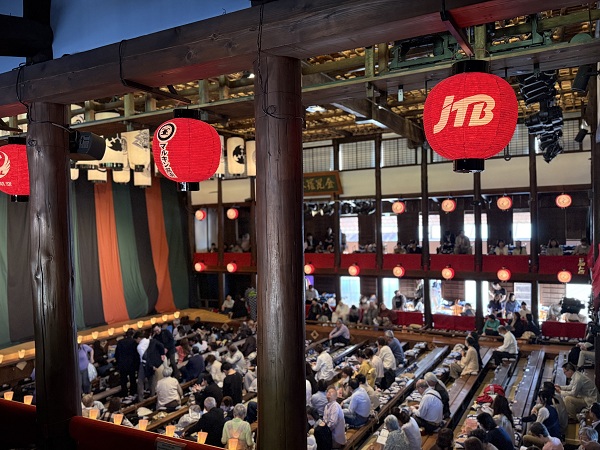
① You can watch it in Japan’s oldest existing wooden playhouse.
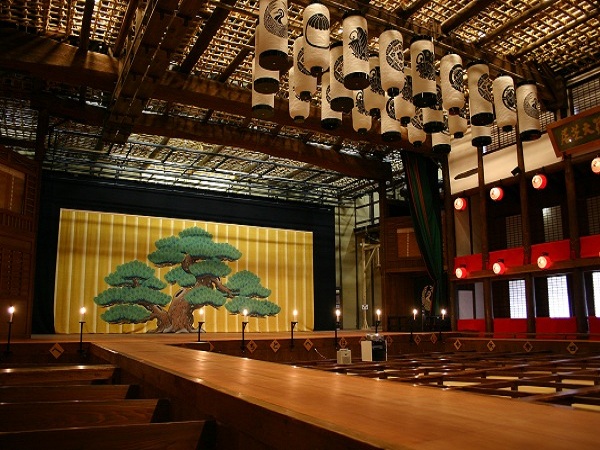
This is a unique place where you can watch authentic kabuki in a wooden building from approximately 190 years ago. You can enjoy kabuki amidst the creaking of the beams, the warmth of the wood, and the natural light from the skylights, experiencing a world that takes you back 190 years to Edo period Japan. This playhouse is so charming that even top kabuki actors are captivated by it, and watching kabuki in this space is a special experience unlike any other.
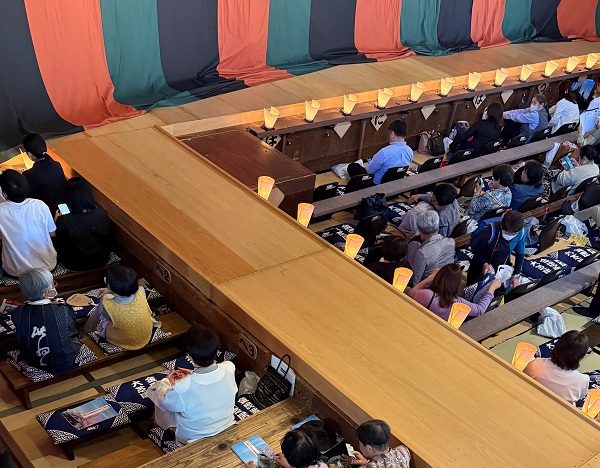
② The distance between actors and audience is very close.
Because the Former Konpira Grand Theater (Kanamaru-za) itself is a small playhouse, the distance to the actors is close, allowing you to feel their expressions and breathing. The sense of unity between the actors and the audience is also an experience unique to the Former Konpira Grand Theater (Kanamaru-za).

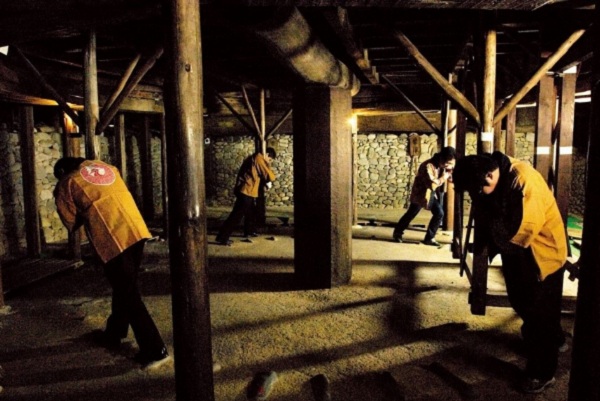
③ Edo-era mechanisms all operated by human power.
Volunteers from the Kotohira Town Chamber of Commerce and Industry Youth Division are in charge, operating the stage effects and mechanisms by hand, just as they were in the Edo period. From the second floor, you can clearly see the stage’s “seri” (trapdoor lift) and the movements of the kuroko (stagehands in black), which is also one of the pleasures. The occasional timing mishaps due to the analog nature are also enjoyable!
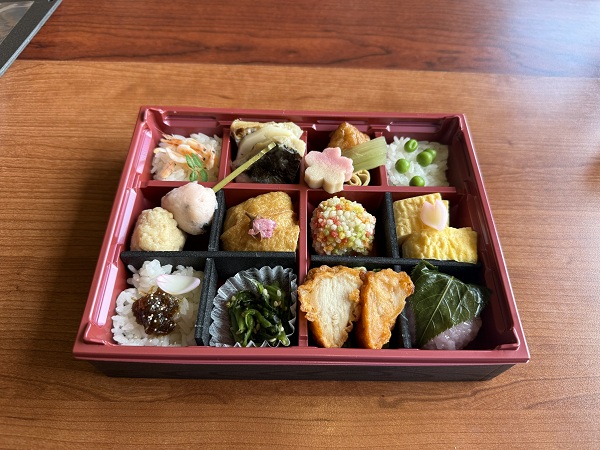
④ Bento box from a long-established restaurant, evoking the spring of Kagawa.
The bento box included in Part 1 is prepared by “Nichou,” a long-established restaurant in Takamatsu. The bento is a spring-scented meal using an abundance of seasonal ingredients such as new beans, butterbur, bamboo shoots, and cherry blossom mochi. It is also very beautiful to look at, embodying the essence of Japanese culture in a “bento” and Japanese cuisine. Please experience it!

4. Nearby Tourist Attractions
Here are some recommended tourist spots to visit along with Konpira Kabuki.
Ritsurin Garden
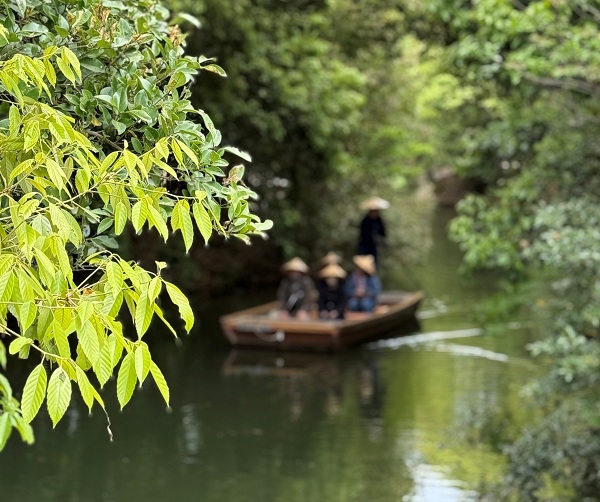
Ritsurin Garden, sprawling across Takamatsu City, is one of Japan’s representative strolling gardens (daimyo gardens). With Mt. Shiun as a borrowed landscape, the scenery woven by six ponds and thirteen artificial hills changes with each season. It’s truly a beautiful park, described as a three-star attraction, meaning “worth a special journey,” in the Michelin Green Guide Japan. You can also ride a Japanese boat within the garden, circling while gazing at the tranquil garden from the water. The building of Kikugetsutei within the garden is also magnificent, especially the view of the South Pond from the “Kiku no Ma” (Chrysanthemum Room), which is exceptional and a must-visit spot.

Shikoku Aquarium
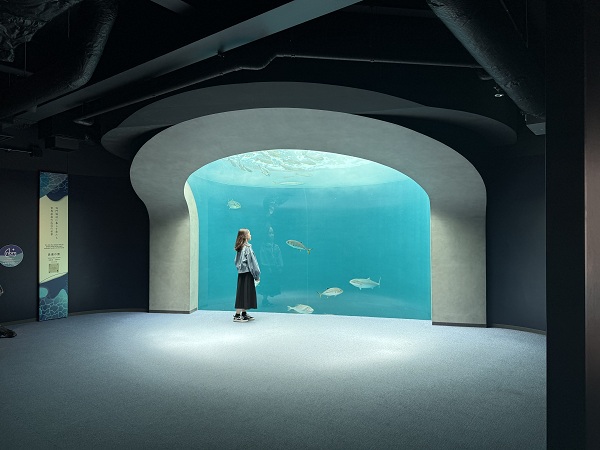
Shikoku Aquarium is an interactive aquarium themed around the rich seas of Shikoku, surrounded by the Seto Inland Sea and the Pacific Ocean. The open exhibits, which feel integrated with the sea, and the tanks utilizing natural light beautifully showcase the creatures in their natural state. The exhibition space itself is designed like art, allowing you to appreciate the beauty of the sea with your senses. The illustrations of fish drawn by the keepers next to each exhibit are incredibly well done, and you’ll find yourself captivated. There are also many photo-worthy spots inside the museum, making photography one of the pleasures.
Please experience “Shikoku Konpira Kabuki Grand Theater” during Japan’s most beautiful cherry blossom season. Immersing yourself in deep Japanese culture is an experience unique to Kagawa Prefecture during this season.
