

Contents
1. A Different Side of Miyajima Awaits
2. Setting Sail on a Working Oyster Boat
3. Approaching the Grand Torii from the Sea
4. Meeting the People Behind Miyajima’s Oyster Culture
5. From Sea to Table: An Unforgettable Oyster Lunch
6. Discover Miyajima Beyond the Shore
A Different Side of Miyajima Awaits
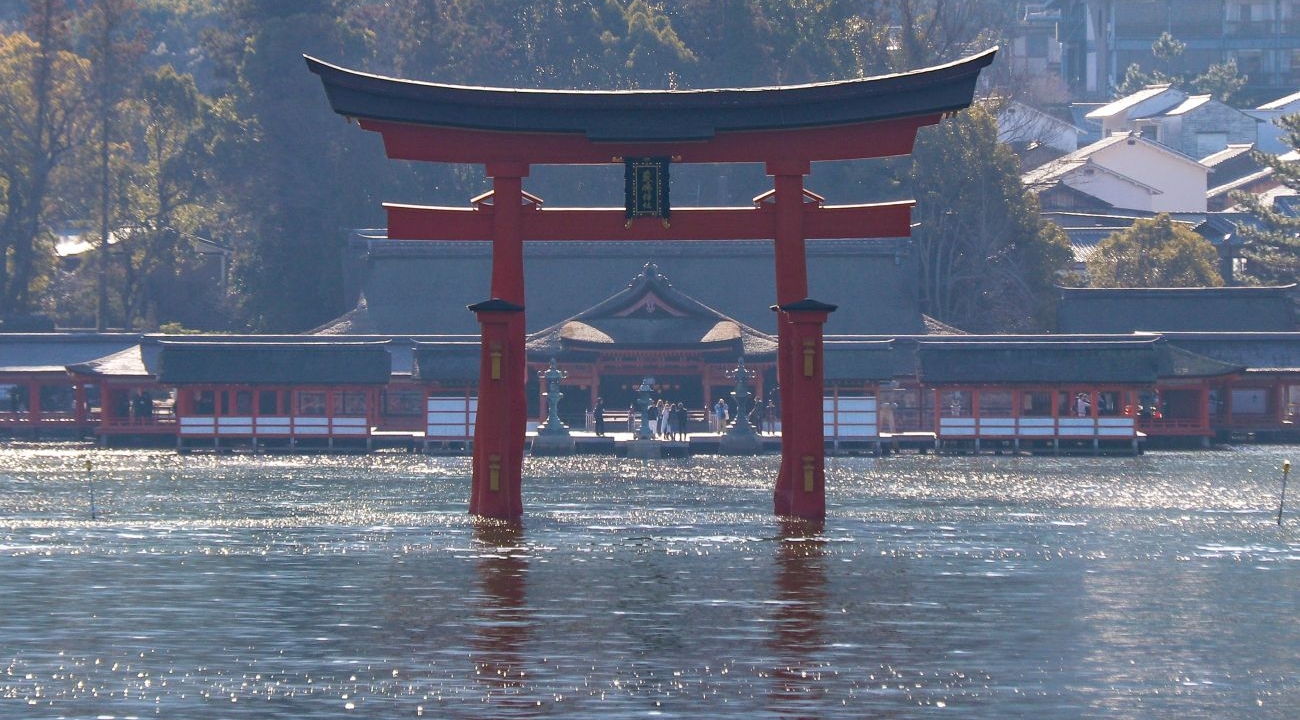
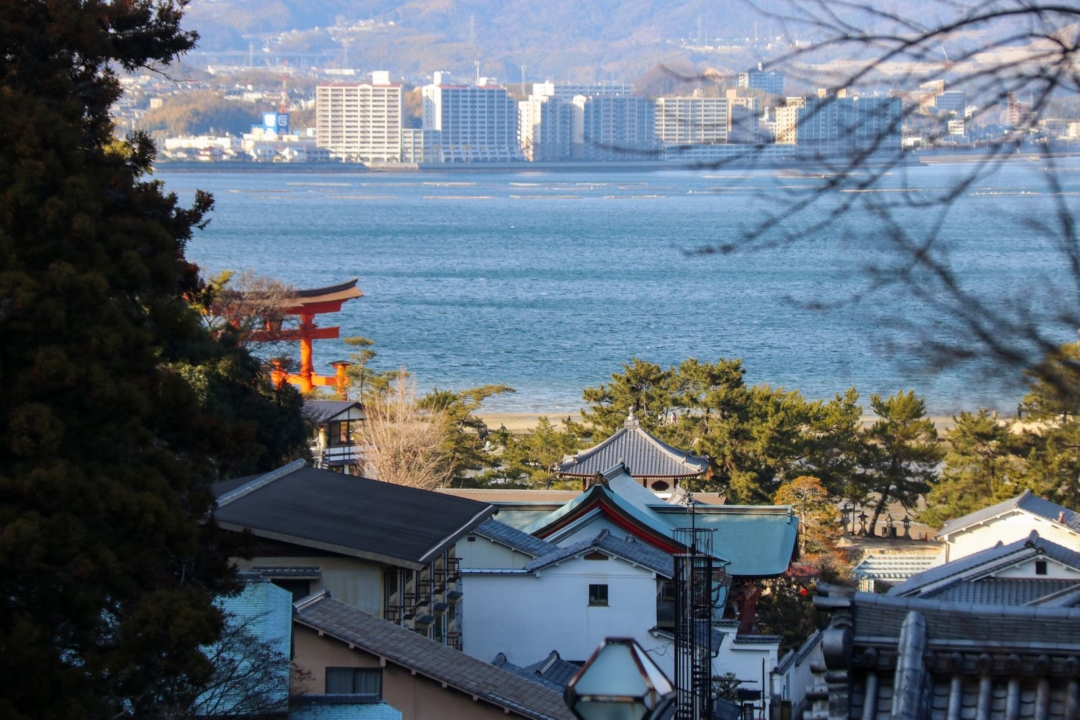
For many travelers, Miyajima is synonymous with the UNESCO World Heritage-listed Itsukushima Shrine and its iconic floating Grand Torii Gate.
That was certainly the image I had before my visit.
Yet during this unforgettable experience, I discovered that Miyajima’s true magic extends far beyond its famous landmarks. Step onto the water, and the island reveals a completely different face. Quiet, authentic, and deeply connected to the sea, it offers a side of Miyajima that few visitors ever experience.
Setting Sail on a Working Oyster Boat
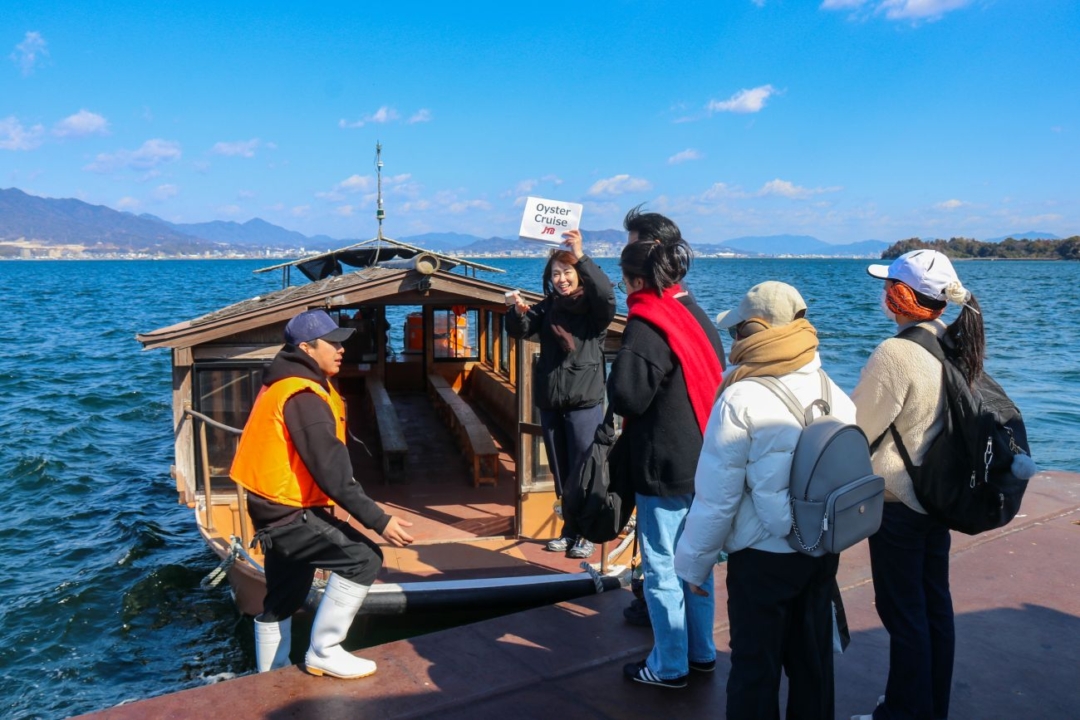
After exploring the island’s charming streets and historic sites, I headed to Miyajima Pier for an adventure unlike any typical sightseeing cruise.
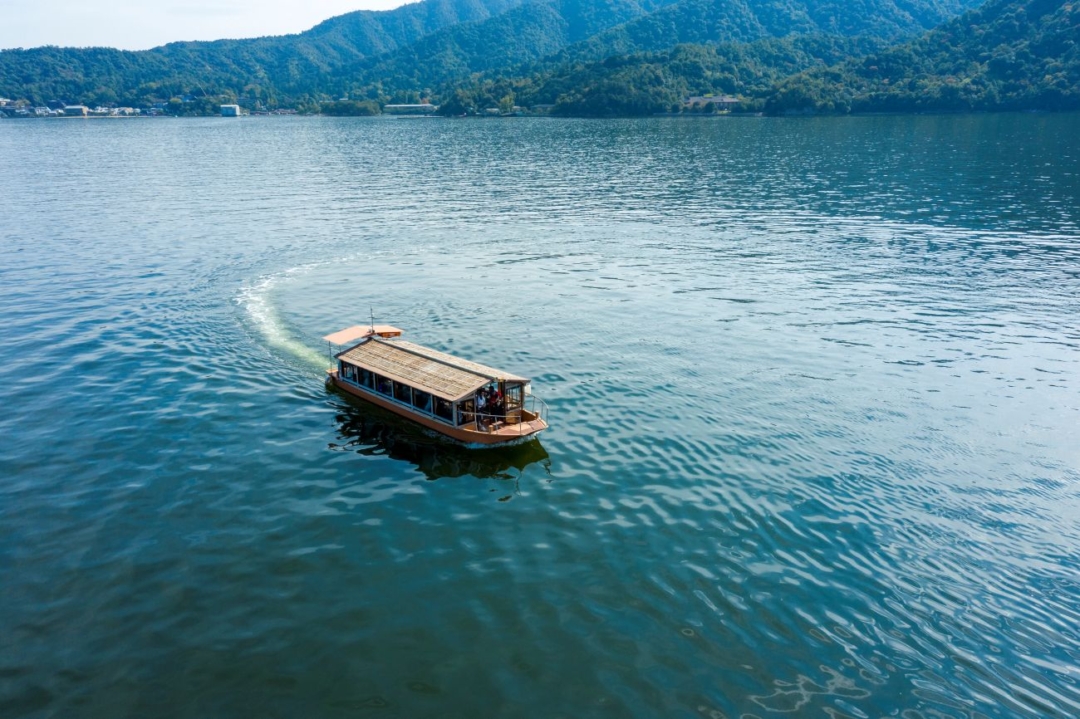
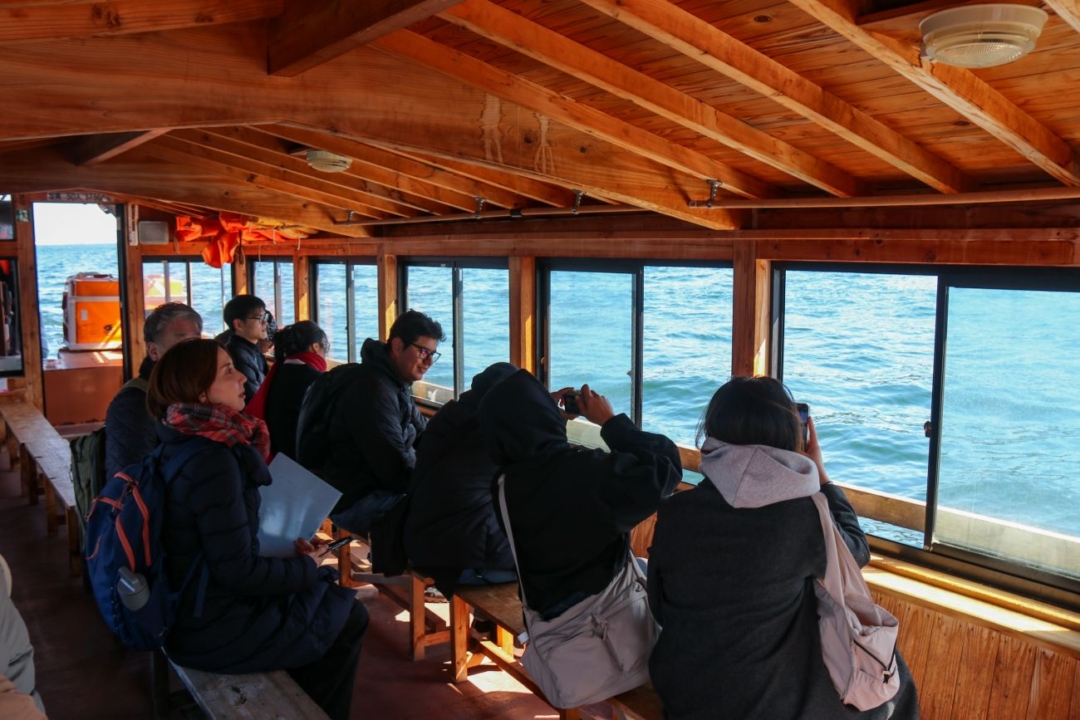
Our vessel was not a tour boat, but a working boat used by local oyster farmers.
As we left the shoreline behind, the crowds gradually disappeared and the calm waters of the Seto Inland Sea stretched before us. The gentle sea breeze carried a sense of anticipation. This was not simply a boat ride. It was an invitation to discover the living culture of Miyajima from the perspective of those who have worked these waters for generations.
Approaching the Grand Torii from the Sea
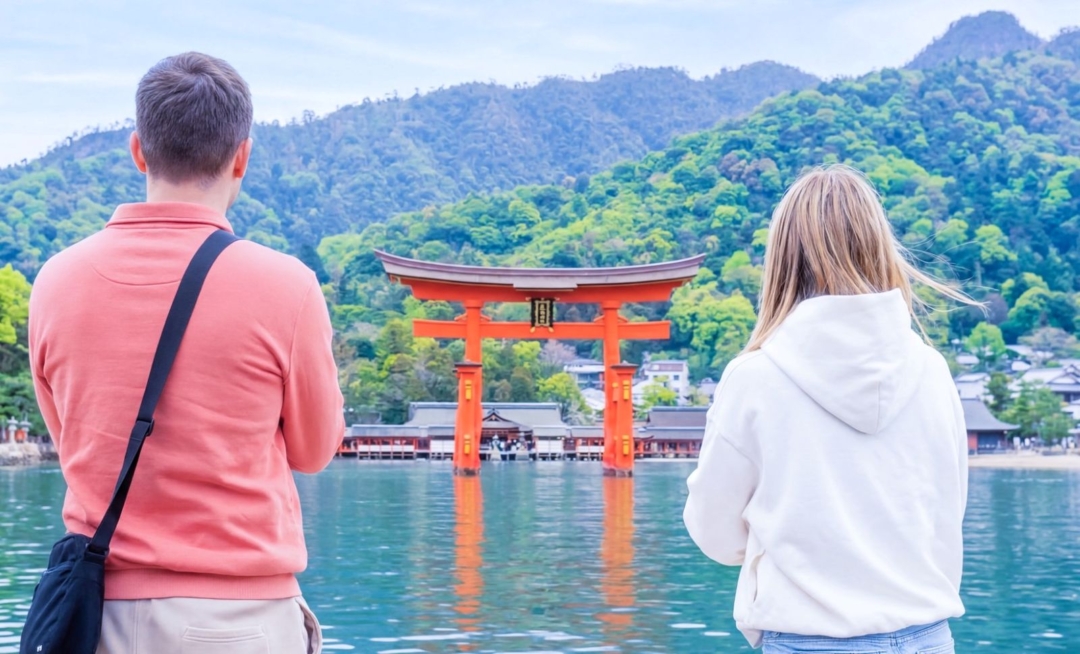
The first highlight was an extraordinary encounter with the Grand Torii Gate.
As the boat slowly approached one of Japan’s most celebrated landmarks, its enormous scale became truly apparent. Viewing the torii from land is impressive, but seeing it at eye level from the water is an entirely different experience.
At high tide, the shrine and gate appear to float magically upon the sea, creating one of Japan’s most breathtaking landscapes.
Centuries ago, pilgrims arrived at Itsukushima Shrine by boat, offering prayers as they crossed these sacred waters. Standing on the deck and gazing toward the shrine, I could easily imagine what those travelers must have felt. Rather than sightseeing, it felt like taking part in a timeless pilgrimage.
Meeting the People Behind Miyajima’s Oyster Culture
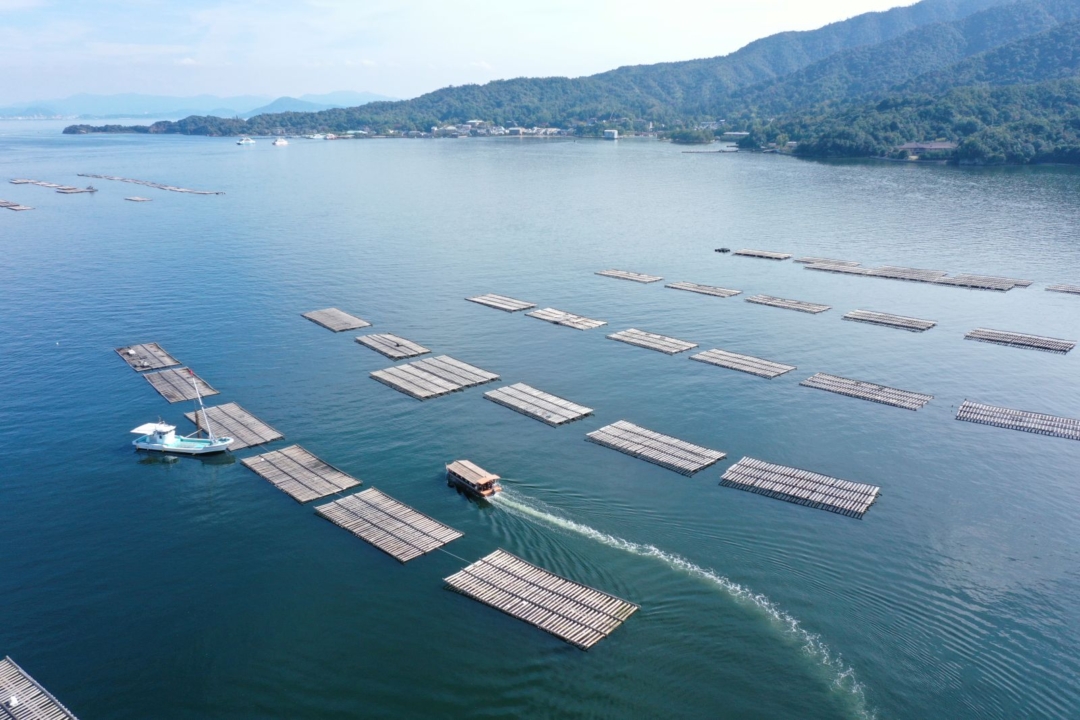
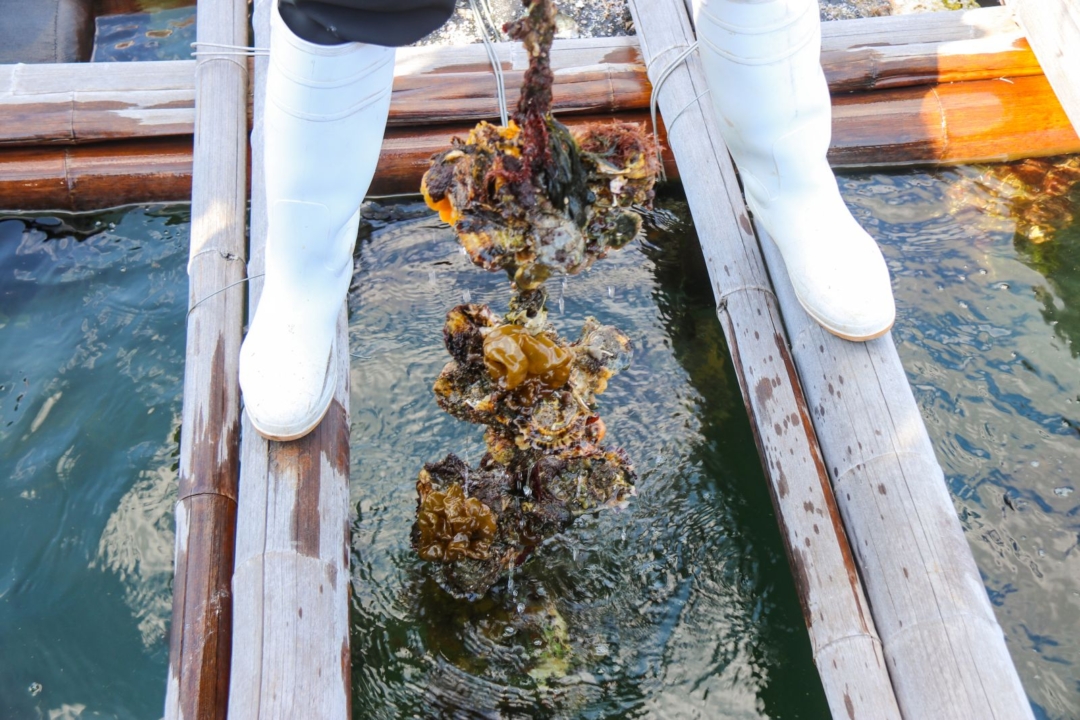
Leaving the shrine behind, we ventured deeper into the waters surrounding Miyajima, where countless oyster rafts float across the Seto Inland Sea.
These floating platforms are the foundation of Hiroshima’s world-famous oyster industry and an essential part of the region’s culinary heritage.
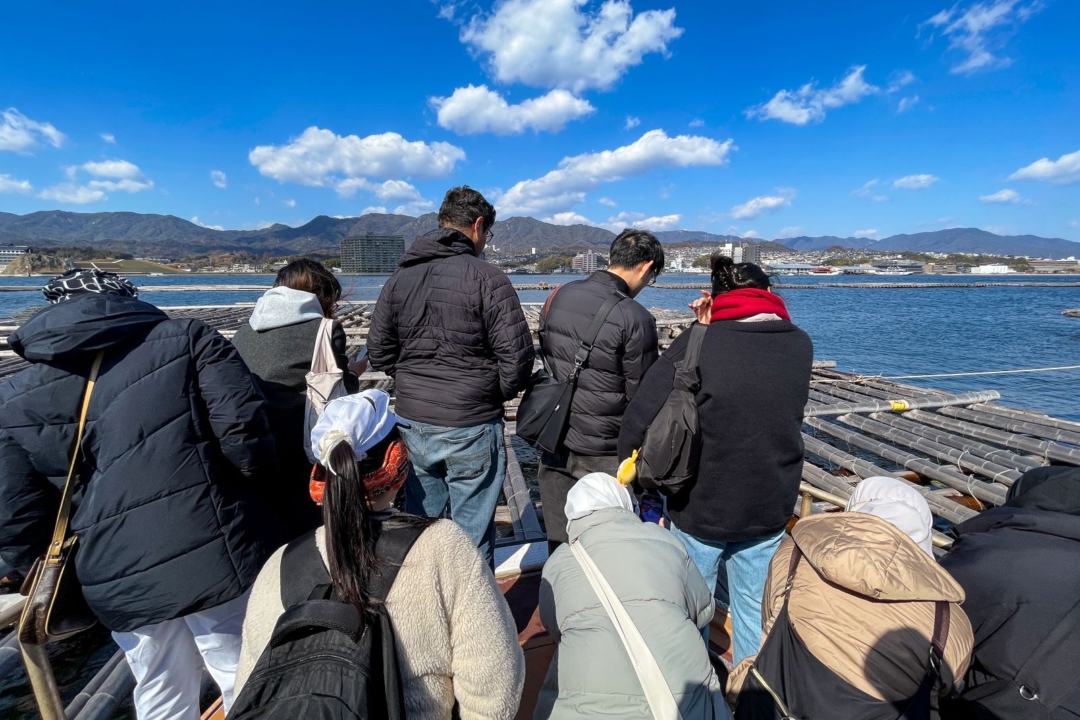
Our boat pulled alongside an active oyster farm, where local producers welcomed us and shared stories of their craft. They explained the history of oyster farming in the region, the unique environmental conditions of the Seto Inland Sea, and the dedication required to raise oysters of exceptional quality.
Listening to their stories while surrounded by the very waters that nurture the oysters offered a perspective impossible to gain from a restaurant table alone.
It was a rare opportunity to connect with the people, traditions, and environment that shape Miyajima’s maritime culture.
From Sea to Table: An Unforgettable Oyster Lunch
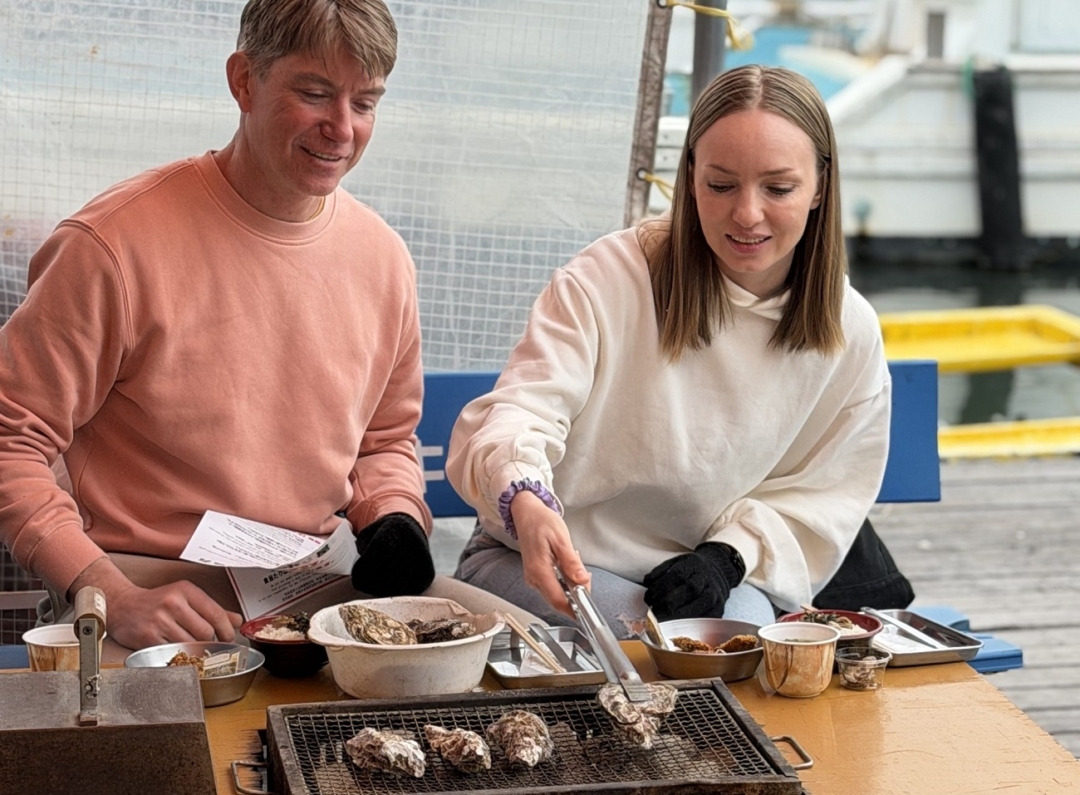
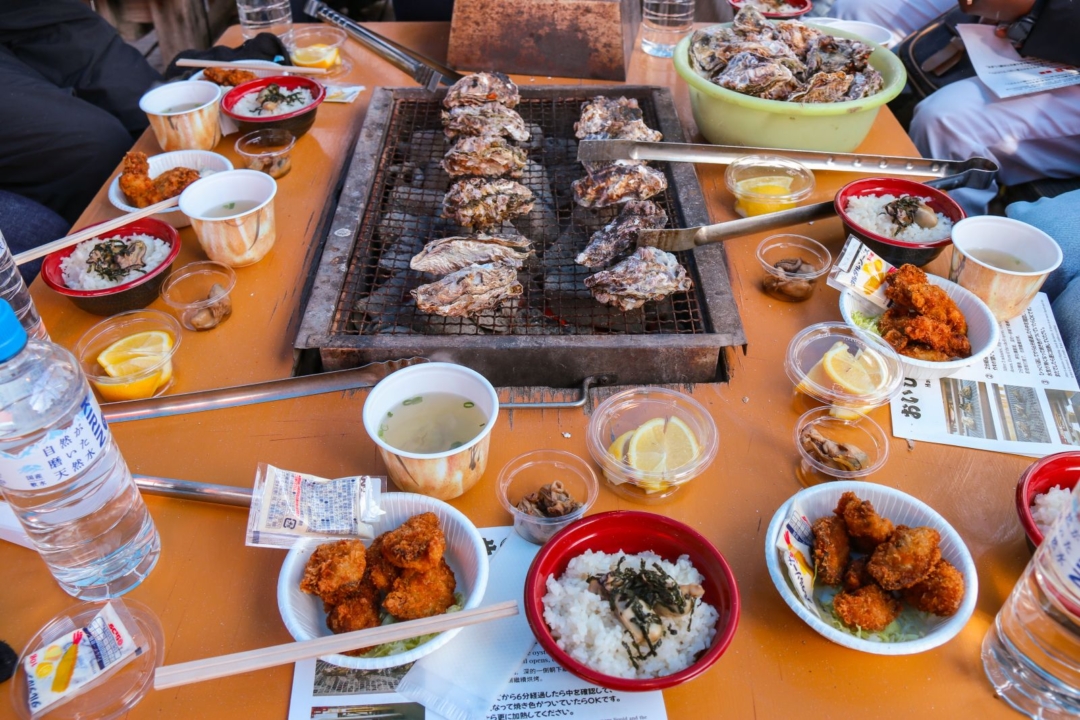
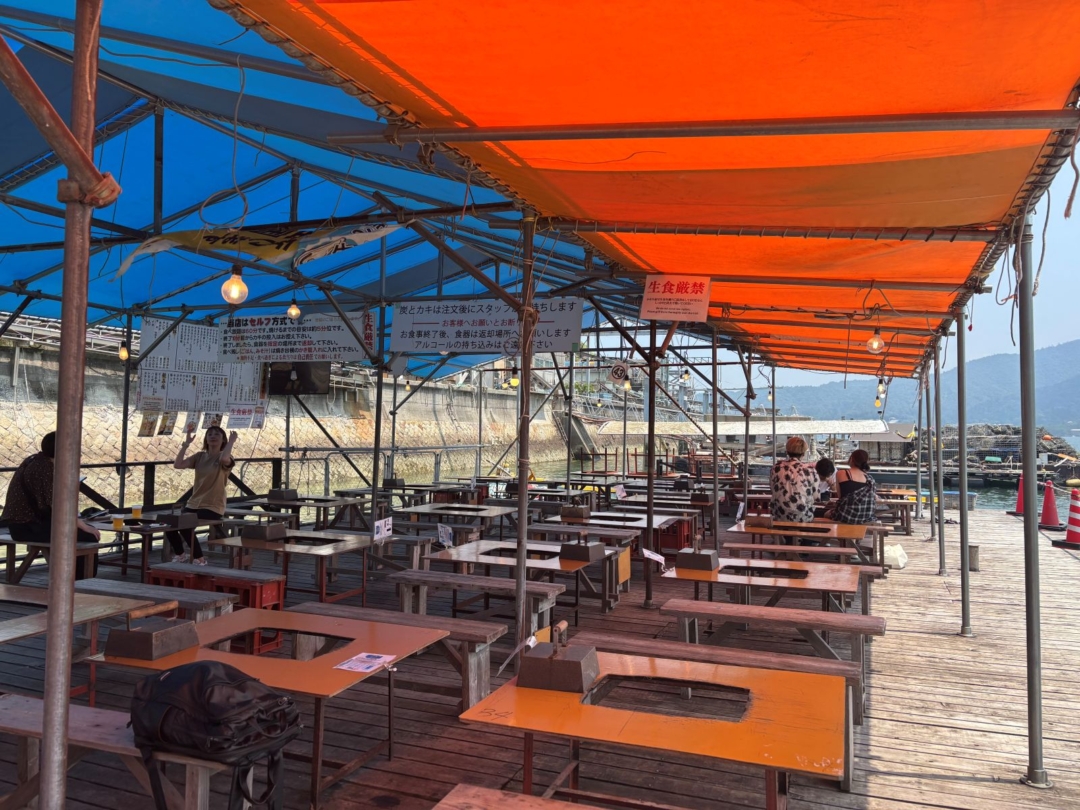
The journey concluded at a beloved local oyster hut, where residents and visitors gather to enjoy the region’s most famous delicacy.
Fresh oysters harvested that very morning were waiting for us.
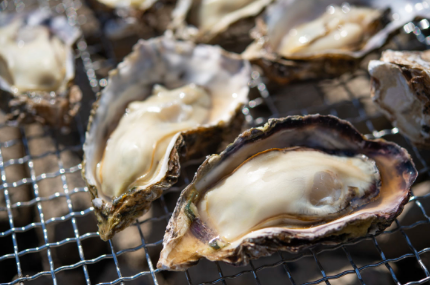
Guided by the staff, we grilled the oysters ourselves, watching as the shells slowly opened over the flames.
The aroma of the sea rose with the steam.
Then came the first bite: rich, briny, and incredibly fresh.
What made the meal truly memorable was knowing exactly where those oysters had come from. Just moments earlier, we had been standing beside the oyster rafts where they were cultivated.
It was more than lunch. It was a complete sea-to-table experience that engaged all five senses and deepened our appreciation for the people and traditions behind every oyster.
Discover Miyajima Beyond the Shore
Most visitors experience Miyajima on foot, and there is certainly much to admire.
But those who venture onto the water gain access to a deeper story.
Sailing beneath the shadow of the Grand Torii, learning directly from oyster farmers, exploring the waters that shaped the island’s culture, and tasting the bounty of the sea creates an experience that goes far beyond conventional sightseeing.
By the end of the journey, I realized I wasn’t simply leaving Miyajima with beautiful photos.
I was leaving with a deeper understanding of the island, its people, and its enduring relationship with the sea.
If you’re looking for a truly authentic Miyajima experience, step beyond the shore and discover the island from the water. You may find yourself falling in love with Miyajima all over again.
Access (Miyajima)
-Approximately 27 minutes by JR Sanyo Line from JR Hiroshima Station to JR Miyajimaguchi Station
-Approximately 10 minutes by ferry from Miyajimaguchi Pier to Miyajima
-Tour Meeting Point: Miyajima Third Pier, located just a 1-minute walk from Miyajima Ferry Terminal
